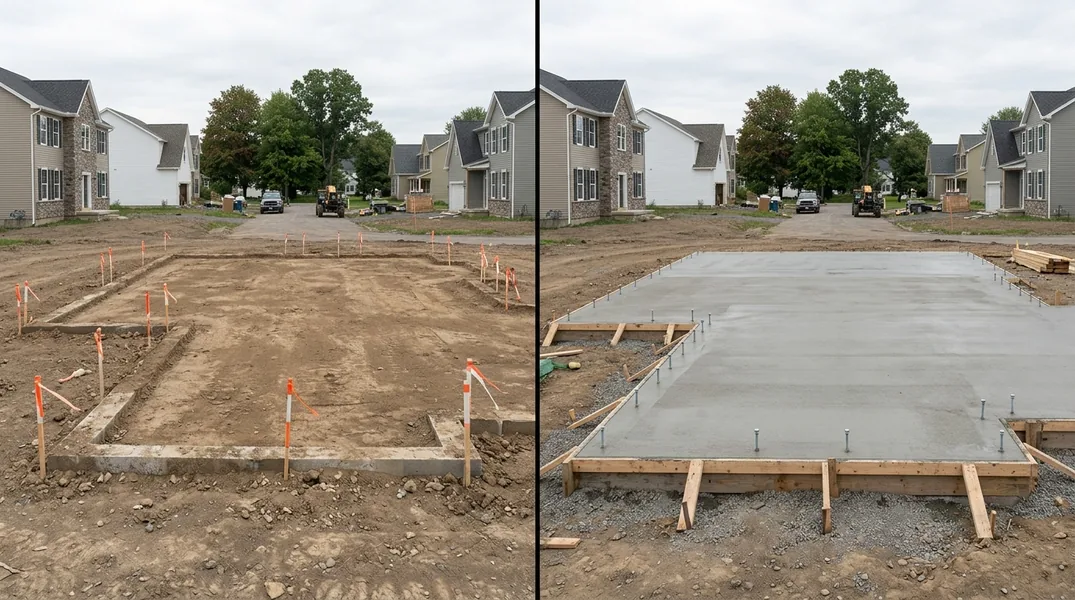
Understanding New Construction Concrete Slabs in Syracuse
Purchasing a new construction home in Syracuse is exciting, but it comes with responsibilities that many first-time homebuyers overlook. One of the most critical components of any new home is the concrete slab foundation, yet it rarely receives the attention it deserves during the closing process. Whether your new construction includes a basement, crawl space, or slab-on-grade foundation, understanding what lies beneath your home is essential to protecting your investment.
The concrete slab serves as the structural base for your entire house. In the Syracuse region, where winter temperatures drop well below freezing and the ground experiences significant frost penetration, the quality and installation of your foundation slab directly impacts your home's long-term stability, energy efficiency, and resale value. Many homeowners don't realize that foundation problems discovered after closing can cost tens of thousands of dollars to repair, making a thorough inspection before signing the final papers absolutely critical.
Why Frost Protection Matters for Syracuse New Build Concrete
Central New York experiences one of the most challenging climates for concrete foundations in the country. Frost heave, the process where moisture in soil freezes and expands, can cause concrete slabs to crack, shift, and settle unevenly. This happens when a concrete slab is not properly protected below the frost line, which in the Syracuse area extends approximately 48 inches below grade. If your builder's foundation design doesn't account for this depth, you're looking at potential structural problems within just a few years.
Before closing, ask your builder for detailed documentation showing that the slab foundation was installed with proper frost protection measures. This includes a gravel base layer for drainage, perimeter insulation, and footings that extend below the frost line. The concrete itself should be air-entrained, meaning it contains tiny air bubbles that allow it to expand and contract without cracking as temperatures fluctuate. Don't accept vague assurances from the builder. Request the specific specifications, engineering reports, and photographs documenting the foundation installation process. If your builder cannot provide these documents, that's a red flag worth investigating further before you close.
What to Look for During Your Builder Foundation Inspection
A professional builder foundation inspection is one of the smartest investments you can make before closing on a new construction home. This inspection goes far beyond a visual walk-through and involves a trained inspector evaluating the concrete slab for cracks, improper slopes, settling, and other defects that could indicate poor installation or material problems. During your inspection, the professional should check whether the slab is level, examine the perimeter for gaps or separation from the foundation walls, and verify that drainage systems are properly installed around the foundation.
Look for horizontal or diagonal cracks in the concrete, which can indicate structural movement or freeze-thaw damage. Small hairline cracks are sometimes normal in new concrete as it cures, but larger cracks, especially those wider than 1/8 inch or showing signs of active movement, warrant immediate concern. Your inspector should also verify that the builder installed a vapor barrier beneath the slab to prevent moisture from wicking up into your home, which can cause mold, odors, and damage to flooring materials. Additionally, check that the slab has proper slope away from the house for water drainage. If water pools near the foundation after rain, you're setting yourself up for basement or crawl space moisture problems down the road.
Common New Construction Slab Defects to Watch For
Even homes built by reputable builders sometimes have foundation issues that only become apparent after occupancy. Understanding common defects helps you know what questions to ask during your inspection. One frequent problem is improper concrete curing. If the slab was poured and finished during cold weather without proper protection, or if the builder rushed the curing process, the concrete may not develop full strength and can be prone to cracking and deterioration. Another common issue is inadequate reinforcement. Concrete slabs should be reinforced with rebar or wire mesh to control cracking and distribute loads evenly.
Settling and uneven floors are also problematic, particularly in areas with poor soil preparation or inadequate compaction before the slab was poured. If you notice that doors don't close properly, floors are sloped, or there are gaps between the slab and foundation walls, these can all indicate settling issues. Additionally, watch for efflorescence, the white, chalky deposits that appear on concrete surfaces. While not always serious, efflorescence can indicate moisture movement through the slab, which suggests your vapor barrier or drainage system may not be functioning properly. Any of these issues should be documented and brought to your builder's attention before closing, giving them the opportunity to address problems while you still have leverage.
Getting a Professional Assessment Before Closing
Don't rely solely on the builder's inspector or your real estate agent's visual assessment when it comes to your foundation slab. Hire an independent structural engineer or professional home inspector who specializes in new construction to evaluate the concrete work. This third-party evaluation protects your interests and provides you with an unbiased technical opinion about whether the foundation meets industry standards and local building codes. The inspector can identify problems that untrained eyes would miss and provide documentation that protects you if issues arise after closing.
In many cases, builders will agree to make repairs or adjustments before closing if problems are documented by a professional. This is far preferable to discovering issues after you own the home and are responsible for all repair costs. If significant defects are found, you may also have leverage to renegotiate the purchase price or require the builder to escrow funds to cover repairs. The cost of hiring a professional inspector is minimal compared to the potential expense of fixing foundation problems later. If you're unsure where to start, the team at Syracuse Concrete Pros can answer questions about what constitutes proper concrete installation, and we're happy to discuss your concerns at (680) 207-3875.
Post-Closing Maintenance and When to Call a Professional
Once you've closed on your new construction home and verified that the concrete slab meets standards, your responsibility for foundation maintenance begins. Proper drainage around your home is the single most important factor in preserving your slab. Ensure that gutters and downspouts direct water at least 4 to 6 feet away from the foundation, and that grading slopes away from the house. Keep an eye on your concrete over the first year, as minor settling and small cracks can appear as the house settles into place. However, if you notice significant cracking, uneven settling, or moisture issues, contact a professional immediately.
Should you ever need repairs to your concrete slab or other concrete work around your new home, Concrete Repair & Resurfacing services can address issues before they become major problems. Whether you need to repair cracks, improve drainage, or add Concrete Driveways or Concrete Patios to your new property, having a trusted local contractor is invaluable. Syracuse Concrete Pros serves the greater Syracuse area and can provide expert guidance on maintaining your concrete foundation and other exterior concrete features. If you have questions about your new construction slab or need a professional evaluation, reach out for a free estimate by calling (680) 207-3875 today.
Looking for a professional concrete contractor in Syracuse? Syracuse Concrete Pros responds fast for all your concrete needs.
Get a Free QuoteOur services: Concrete Driveways · Concrete Patios · Stamped & Decorative Concrete